Iranian President Pezeshkian said that the Supreme Leader had granted the government partial authority to negotiate. Iran proposed conditionally reopening the Strait of Hormuz, demanding that the blockade be lifted, frozen funds be released, and sanctions be eased.
Iranian Foreign Minister Araghchi said that Iran has agreed to a “2-day plan”: the United States will first take compliance measures, after which the Strait of Hormuz will open and negotiations will resume.
U.S. Central Command denied claims that merchant vessels struck mines while transiting the Strait of Hormuz, saying that the primary international transit lanes have been cleared of mines by the U.S. military and that thousands of merchant vessels continue to transit safely.
According to The New York Times, regional mediators are pushing for the United States and Iran to make mutual concessions within 5 days, proposing to reopen the Strait of Hormuz in exchange for lifting the maritime blockade of Iranian ports. The timing of both sides' concessions and commitments regarding Iran's nuclear program remain obstacles.
BlockBeats reported that Brent crude rose intraday to 117.45 USD/barrel and closed at 116.72 USD/barrel. The report attributed the rise in oil prices to expectations of an escalation in the US-Iran conflict and said that the claim that two tankers struck mines remained subject to verification.
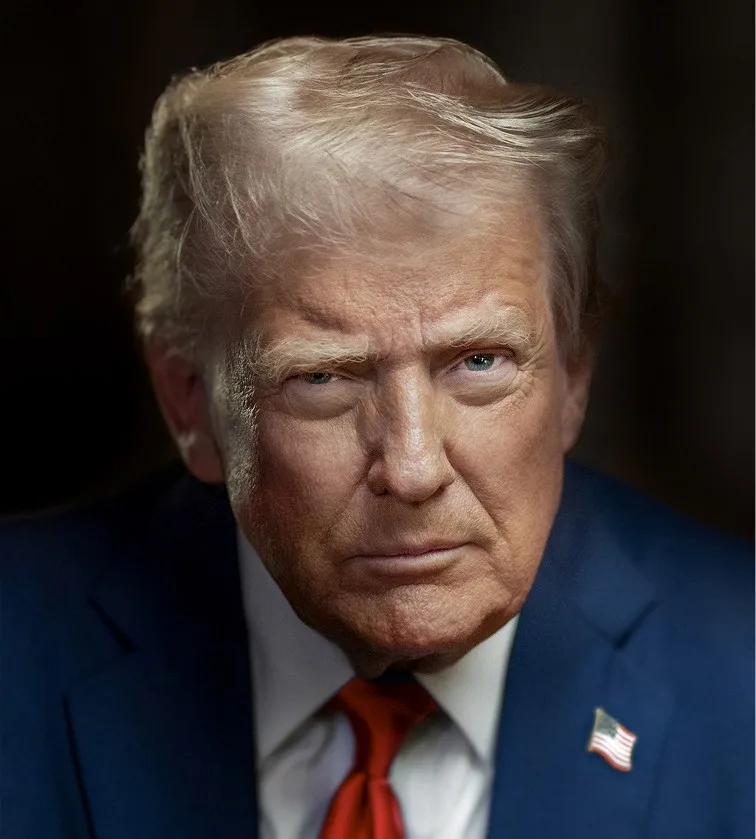
PANews quoted Trump as saying that the Strait of Hormuz is “completely under his control,” adding that the Iran war could end soon, while also discussing Iranian oil.
BlockBeats, citing a Goldman Sachs report, said that factors including risks related to the Strait of Hormuz, diversions, and fuel costs have driven up crude oil transportation expenses, with costs on major Middle East routes exceeding per barrel 35 USD. The report expects refined product prices to remain supported by high costs after benchmark oil prices decline.
The Islamic Revolutionary Guard Corps Navy stated that 4 vessels suspected of illegal oil transfers were struck and caught fire, while another 3 vessels struck mines, and warned that the United States may face a larger-scale response.
Iranian Foreign Minister Araghchi said that Iran is continuing indirect negotiations with the United States through mediators including Pakistan and Qatar, and said that the United States wants to add provisions.
The Iranian Foreign Minister stated that if the United States complies with Iran's conditions, the Strait of Hormuz can be opened within 6 days, and negotiations will resume on day 7. The plan has not yet been implemented.
Reports said that the Saudi Aramco Dhahran headquarters complex was hit by a missile and two vessels in the Strait of Hormuz were struck by unidentified projectiles;WTIOIL trading at approximately 94.24 USD over the past 24 hours increased by approximately 16.2%。
Saudi Arabia's energy minister said that Saudi Arabia plans, within the next to 3 years, to increase overland oil transport capacity bypassing the Strait of Hormuz; existing pipelines are already transporting 5800000 barrels per day in actual throughput.